

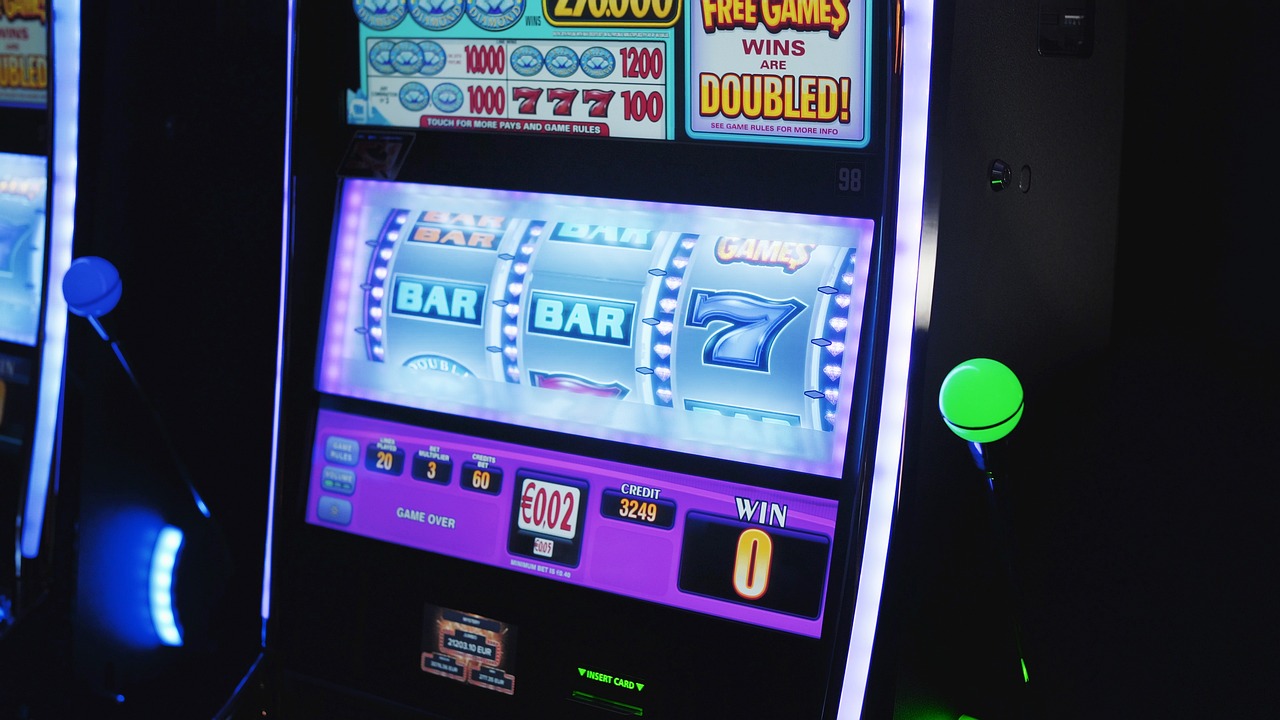
Most people who open a casino account for the first time believe they're playing against the house. They're wrong. They're playing against a spreadsheet, a psychology lab, and a payment processor — often all at once. Understanding that trio won't turn you into a professional gambler, but it will stop you from being the guy who deposits his rent money on a Sunday night chasing a bonus he never really understood.
This isn't a lecture about gambling being bad. You already know the risks. What most players never learn is how the modern iGaming ecosystem actually works — and why the house edge, the bonus terms, and the game selection you choose matter far more than whatever "system" you found on a forum.
Why Slots Feel So Good (And Why That Matters)
Let's start with the most popular product in online casino: the video slot. A typical modern slot runs at a return-to-player (RTP) of somewhere between 94% and 97%. That sounds generous until you realize online casinos can legally set slots as low as 85% in some jurisdictions, and many do on high-volatility titles. Over 10,000 spins at a 4% house edge, a player wagering $1 per spin is statistically handing the operator $400.
The reason slots hook people isn't the occasional big win — it's the near-miss and the variable-ratio reward schedule (the same mechanism studied in pigeons and slot machines). Free spins, cascading reels, and "win both ways" features are engineered to increase spin frequency, not win frequency.
Practical takeaways:
- Check the RTP before you play. It's usually in the game's info panel. Below 94% is generally poor value for slots.
- Volatility matters more than RTP for short sessions. High-volatility slots like most Megaways titles can eat 500 spins before paying anything meaningful.
- Session length is your real enemy. A 97% RTP game played for 30 minutes is roughly break-even; played for 6 hours, it's a guaranteed loss over time.
Poker Is the Only Game Where You Can Have an Edge
Here's the uncomfortable truth about casino games: every one of them has a built-in house advantage. Blackjack, roulette, baccarat, craps — all mathematically negative. The single exception in the iGaming world is poker, and only because you're not playing the house. You're playing other people.
In a cash game against weak opponents, a competent player can realistically achieve a win rate of 3 to 8 big blinds per 100 hands. At $1/$2 no-limit, that's $6 to $16 per 100 hands — slow, but real. The catch is that online poker at the top stakes is populated almost entirely by professionals and bots, and the rake (the casino's cut) is typically 2.5% to 5% capped at around $3 per pot.
If you're serious about poker as a skill game rather than a lottery ticket: Take a look at keonhacaii5.com.co for a fuller picture.
- Track every session using software like PokerTracker or a simple spreadsheet. Ego is expensive; data is cheap.
- Play lower stakes than your bankroll technically allows. 20 buy-ins minimum is the standard starting rule, 50 is safer.
- Avoid fast-fold formats (Zoom, Rush) unless you're grinding volume for rakeback. They strip away the soft table dynamics that make live-style play profitable.
The Hidden Math of Sports Betting
Sports betting has exploded since the US Supreme Court struck down PASPA in 2018. Today more than 30 US states have legalized it, and major operators spend hundreds of millions a year on advertising. What they don't advertise is the vig — the commission baked into every line.
A standard -110 point spread means you must win 52.38% of bets just to break even. Only about 1 in 100 casual bettors sustain a long-term edge against closing lines. If you think a big NFL parlay is a smart bet, consider that a five-leg parlay at standard -110 odds has roughly a 2.4% chance of cashing — and the payout is only about 24-to-1.
That's not to say sports betting can't be fun. It can. But treating it as an investment requires sharp line shopping (using multiple books), tracking closing line value, and specializing in markets where books are slow — props, obscure leagues, live betting inefficiencies — not just Sunday afternoon spreads.
Bonuses: Read the Terms Before You Celebrate
Welcome bonuses are the most overrated part of the iGaming experience for new players. That $2,000 "free" offer almost always comes with 30x to 50x wagering requirements on the bonus and often on the deposit too, plus maximum bet rules, game weighting (slots usually 100%, blackjack maybe 10%, poker 0%), and max cashout caps.
Run the numbers once and the math becomes brutal. A $100 bonus with a 40x requirement means you need to wager $4,000 before withdrawing anything. At a 3% house edge on slots, your expected loss from that wagering is $120 — more than the bonus itself. Most "sticky" bonuses are actually cash grabs dressed up as gifts.
Signals of a bonus worth claiming:
- Wagering under 25x
- Slots weighted at 100%, and at least some non-slot games counted
- No max cashout, or a cap that's realistic (deal-breaker if it's under 5x the bonus)
- Clear deposit and bonus amount breakdown — no ambiguous "mixed funds" clauses
Bankroll Management and the 1% Rule
Ask any experienced bettor and they'll say the same thing: the people who lose the most aren't the worst at picking games, they're the worst at bet sizing. A 55% win rate means nothing if you're betting 20% of your bankroll per event.
A working framework most serious players use:
- Set a bankroll you can afford to lose entirely and never top up mid-cycle.
- Bet 0.5% to 2% of that bankroll per wager, depending on your edge confidence.
- Recalculate the stake after every 10% change in bankroll size.
- Withdraw regularly. Money sitting in a casino account isn't your money — it's the operator's liability you agreed to.
The 1% rule isn't sexy. It's why disciplined players ride out 10-game losing streaks and undisciplined ones disappear after a weekend.
The Bottom Line on iGaming
The modern iGaming industry is a sophisticated, well-funded, and largely legal entertainment business. The people who run it understand psychology, data, and behavioral economics far better than most of their customers do. Nothing wrong with enjoying slots, sports betting, or a Friday night tournament — but doing it with your eyes open changes the experience entirely.
Know the RTP. Read the wagering terms. Size your bets based on math, not feelings. And treat poker as the one contest where you might actually hold the edge. The house will always have its percentage — the only question is whether you're the player who understands why, or the one funding the spreadsheet somebody smarter than you built.


Comments